October 13, 2026
Selecting the ideal surface for a residential kitchen or bathroom renovation requires careful consideration of building materials. Homeowners and interior designers seek options that combine visual appeal with physical strength. Among the choices, these names surface with remarkable frequency in architectural discussions. These distinct materials share similar names but possess different structural characteristics, elemental compositions, and long-term maintenance requirements.
The similarity in naming causes frequent confusion during the selection process. While the former choice is a manufactured product and the latter is a natural rock cut from the earth, buyers mistake the engineered product for the natural stone. This guide breaks down the core distinctions between the surface materials to provide clarity. By evaluating their origins, durability, upkeep, and visual profiles, buyers can make an educated choice.
Examining the Origins of Each Material
The fundamental distinction between the options lies in their formation and extraction processes. Quartzite begins as pure sandstone deep within the earth. Through intense underground heat and tectonic pressure, the sandstone undergoes a profound geological transformation. The natural mineral grains fuse together, creating a solid, dense stone. Workers extract this natural stone in massive blocks from quarries before slicing the blocks into thick slabs.
In stark contrast to natural stone, engineered stone surfaces require human intervention and factory manufacturing. Production facilities create these slabs using a calculated combination of natural minerals and synthetic binders. According to This Old House, quartz countertops are made up of 94% ground quartz along with polyester resins and pigments. This specific combination creates a non-porous material that mimics natural stone while offering different functional benefits.
The extraction process for the natural stone involves heavy machinery and significant physical labor. Quarry workers must cut the blocks with extreme precision to preserve the structural integrity of the rock. Once removed from the earth, the blocks travel to specialized fabrication facilities. Technicians polish the raw surface and cut the slabs to exact dimensions, preserving the unique veining and mineral deposits formed by prehistoric nature.
The manufacturing process for the engineered alternative allows for efficient mass production with consistent output results. Factories mix the crushed minerals with the liquid resin and pour the mixture into large slab molds. A specialized process involving extreme pressure and heat cures the slabs into solid forms. This controlled factory environment ensures every slab meets strict quality standards without the unpredictable variations found in mountain quarries.
Assessing the Durability of Both Surfaces
Physical strength remains a primary concern for high-traffic areas like residential kitchens. The natural stone option boasts an impressive hardness level that rivals dense granite. The metamorphic process it undergoes in the earth creates an interlocking crystalline structure. This rigid structure provides exceptional resistance to surface scratches and abrasions. A metal knife blade dragging across the polished surface fails to leave a visible mark.
Heat resistance serves as another major structural advantage for the natural stone. Pots and pans coming straight from a hot stove will not scorch or melt the rocky surface. The organic mineral composition evolved under extreme underground heat, making it immune to typical domestic kitchen temperatures. Homeowners can place hot metal cookware on the stone without fearing underlying structural damage or permanent cosmetic blemishes.
The engineered surface offers a different type of functional durability. Because synthetic resins bind the crushed minerals, the slabs possess an inherent flexibility. This slight structural flexibility makes quartz countertops resistant to chipping and cracking along the edges. Heavy objects dropped on the surface remain less likely to cause catastrophic fractures compared to more rigid natural stones. The manufacturing process creates a surface equipped to handle sudden impacts.
The synthetic binders in the engineered slabs introduce a specific environmental vulnerability. The resins used during fabrication cannot withstand high temperatures. Placing a hot pan on the surface can melt the resin layer, leaving a permanent scorch mark. Users must utilize protective trivets or thick heating pads to protect the surface from thermal damage. For this reason, heat management becomes a necessary daily habit for this manufactured option.
Reviewing the Maintenance for the Stones
Long-term care requirements differ between the natural and manufactured options. Natural stone maintains a microscopic porosity due to its organic geological formation. If left untreated, dark liquids can seep into the open pores and cause permanent stains. To prevent this issue, professional fabricators apply a penetrating sealant before installation. This sealant fills the microscopic voids and creates an invisible protective barrier against liquid spills.
The requirement for chemical sealing is not a solitary event. Owners must reapply the protective sealant at regular intervals to maintain the moisture barrier. Harsh cleaning chemicals strip the sealant, exposing the porous natural stone. For this reason, cleaning the natural stone requires mild soaps. Acidic household substances like lemon juice or liquid vinegar can etch the polished surface if left unattended for extended periods.
The manufactured slabs offer a distinct advantage regarding daily physical upkeep. The synthetic resin integration eliminates any porosity in the final cured product. As a result, quartz countertops do not require routine chemical sealing or specialized protective surface coatings. The solid surface repels liquid substances without assistance. Spills from dark wine, hot coffee, or cooking oil wipe away without leaving residual stains or penetrating the core material.
Routine cleaning for the engineered slabs involves simple manual methods. A damp cloth and mild dish soap handle everyday kitchen messes without degrading the smooth finish. While the material resists liquid staining, wiping up wet spills remains a good hygiene practice. The absence of a tedious sealing schedule makes quartz countertops an attractive option for busy households seeking a low-maintenance solution for food preparation.
Comparing the Aesthetics of the Options
Visual appeal plays a pivotal role in final material selection. The natural stone delivers unparalleled elegance and distinct visual character. Because the earth forms the stone, no individual slabs share the identical physical pattern. Trapped mineral deposits create sweeping veins and intricate crystal formations throughout the solid material. Buyers treat these unique slabs as natural works of art, serving as the visual centerpiece of a designated room.
The available color palette for the natural stone features earthy, subdued tones. White, gray, and beige dominate the available selections, accented by subtle hints of blue, green, or rust from various embedded trace minerals. This natural color variation adds visual depth to the interior design. Buyers must select their specific slabs in person, as small samples cannot capture the full unpredictable variation present in a complete piece.
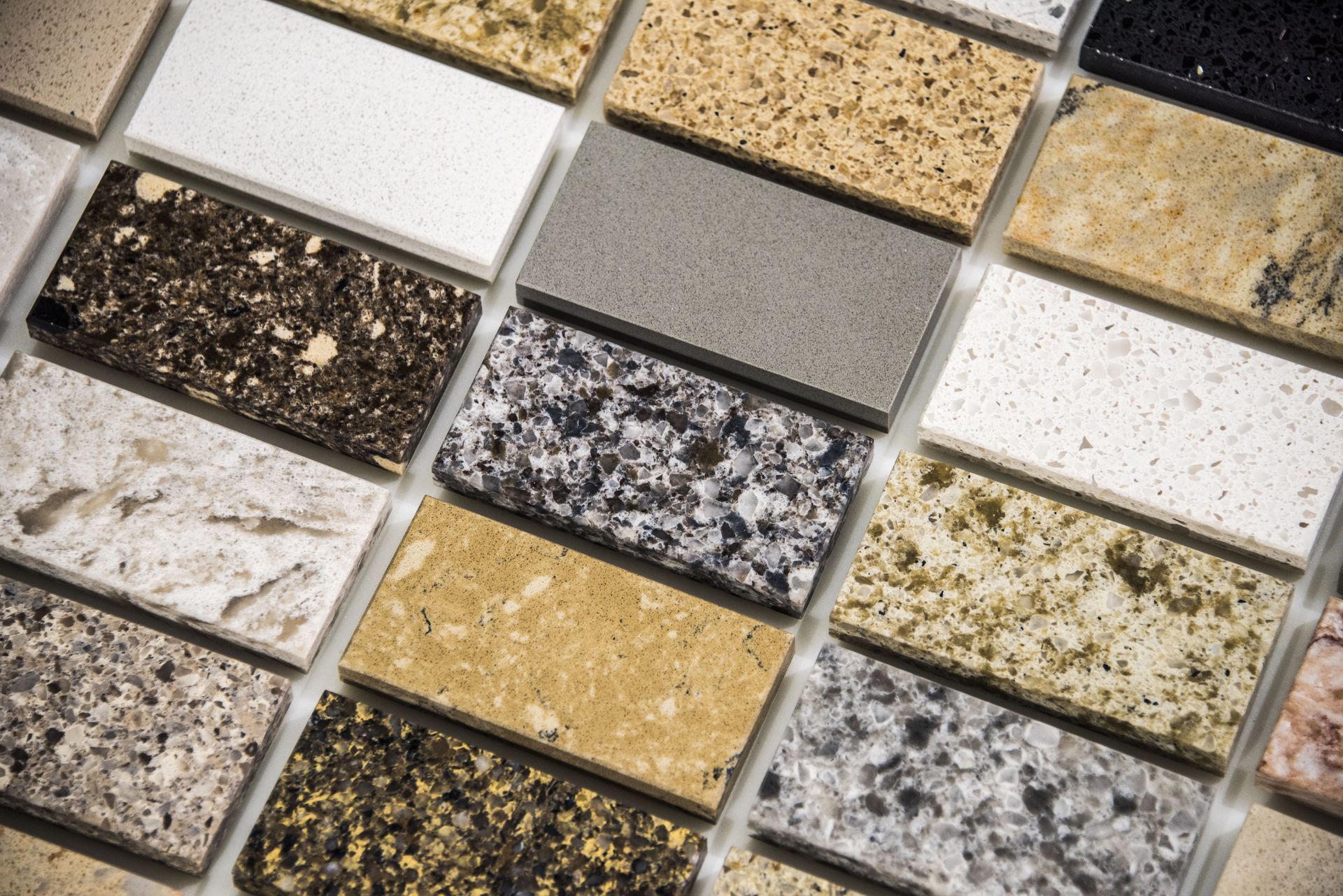
The factory manufacturing process allows for control over the final appearance of the engineered slabs. Colored pigments added during the liquid fabrication stage can produce a vast array of bright colors. Buyers can find quartz countertops in pure, uniform shades that do not exist in the natural environment. The lack of unpredictable natural variation provides a consistent look, which appeals to those desiring a modern aesthetic.
Advancements in modern manufacturing techniques allow factories to mimic the sweeping veining of natural stone. Producers can create visual patterns that resemble luxurious marble or dense granite with impressive visual accuracy. Because the surface patterns are engineered, buyers can select a small showroom sample and expect the delivered slab to match it without deviation. This predictability makes quartz countertops a favorite among interior designers aiming for precise coordination.
The engineered surface offers immense functional practicality and uniform visual beauty. With no requirements for chemical sealing and an impervious physical nature, it caters to high-activity culinary environments. Understanding the core structural disparities in origin, physical strength, routine maintenance, and visual appearance allows for an educated final decision. Both material options present distinct functional advantages, ensuring the chosen surface will enhance the daily functionality and visual appeal. Whether you prefer the unique beauty of natural stone or the low-maintenance appeal of quartz countertops, our team at Boca Stone Design would love to help bring your vision to life. Reach out to us today to schedule a consultation and find the perfect surface for your home.