September 11, 2026
Selecting a countertop material involves more than choosing a color that matches the rest of the room. The surface can influence the overall style, atmosphere, and visual character of a kitchen or bathroom. Porcelain, quartz, and natural stone each offer distinctive appearances and textures that appeal to different design preferences. Some homeowners prefer the consistent appearance of engineered materials, while others appreciate the natural variation found in quarried stone. Understanding these differences can make it easier to select a surface that complements cabinetry, flooring, lighting, and other design features. Texture can also affect how a surface feels and contributes to the personality of a room. A porcelain countertop may appeal to homeowners seeking a sleek material with versatile visual possibilities. By examining the unique qualities of porcelain, quartz, and natural stone, property owners can make a more informed decision for their next renovation project.
Comparing the Overall Visual Appearance
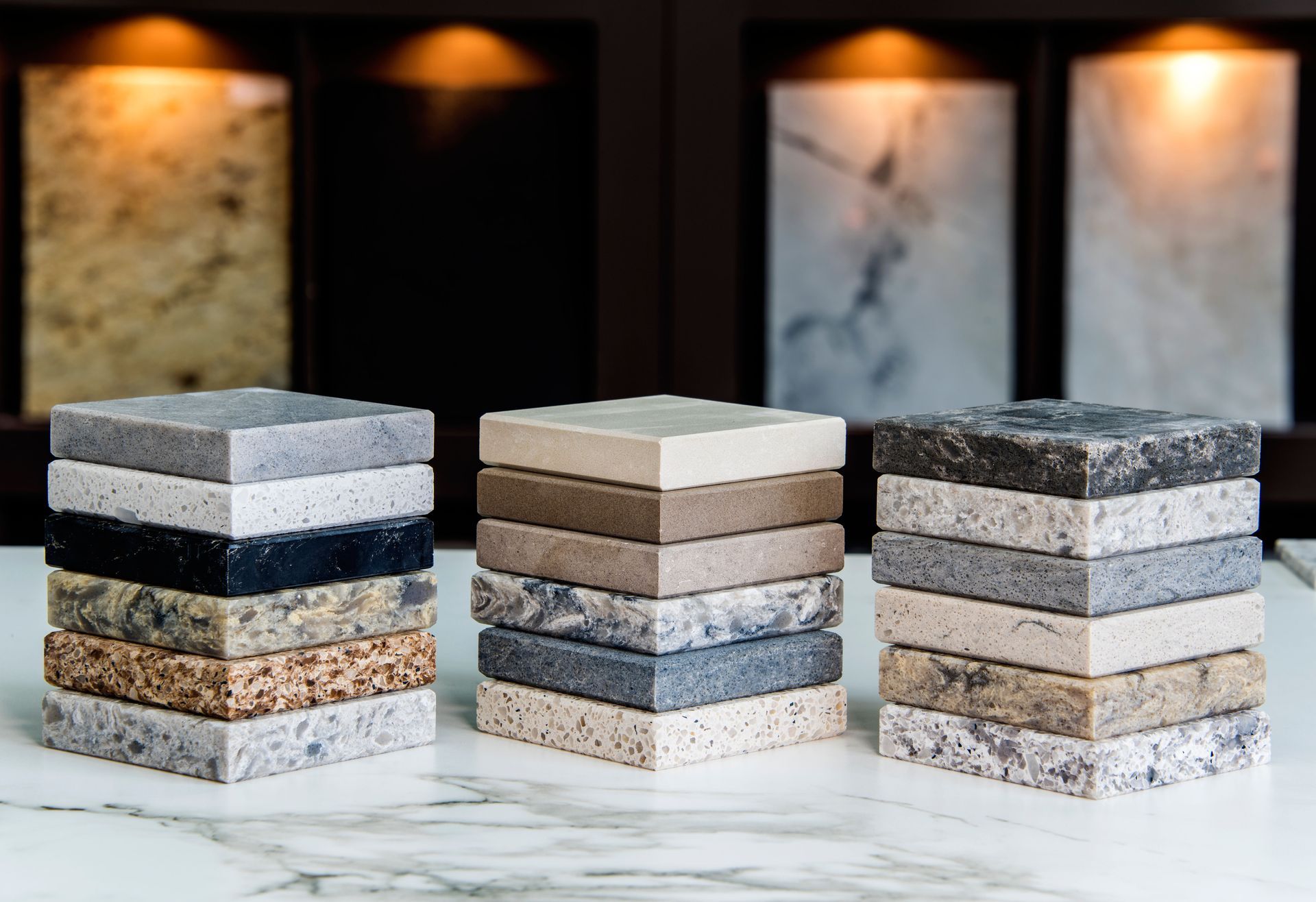
Porcelain, quartz, and natural stone can create dramatically different visual effects within the same room. Porcelain often provides a sleek and contemporary appearance that works well with modern and minimalist interiors. Quartz is available in a broad range of colors and patterns, allowing homeowners to choose designs with a more consistent appearance. Natural stone offers organic variation that cannot be exactly duplicated from one slab to another. Veining, mineral deposits, and color movement give every natural surface its own individual character. These differences make natural materials particularly appealing to homeowners who want a one-of-a-kind focal point. Engineered options, on the other hand, can provide greater predictability when matching surfaces throughout a larger space. The right choice depends largely on whether the homeowner prefers consistency, bold movement, or naturally occurring visual variation.
Exploring Porcelain Surface Characteristics
A porcelain countertop is known for its refined appearance and ability to replicate the look of other materials. Manufacturers can create porcelain slabs that resemble marble, concrete, wood, and other popular surfaces. This versatility gives homeowners numerous design options without requiring them to use the original material being replicated. The surface often has a clean appearance that complements contemporary interiors. Depending on the selected finish, porcelain can appear glossy, matte, or softly textured. Large-format slabs can also reduce the number of visible seams across an installation. Its manufacturing process allows homeowners to select patterns designed to achieve a specific visual effect. This makes porcelain an appealing option for individuals who want flexibility when creating a particular interior style.
Understanding Quartz Patterns and Colors
Quartz offers a distinctive combination of natural mineral content and engineered consistency. Its appearance can range from simple solid colors to detailed patterns that resemble natural stone. Many quartz designs feature subtle speckles, dramatic veining, or soft color movement. Unlike natural stone, the pattern is generally more controlled and predictable from one section to another. This can make it easier to coordinate multiple surfaces within the same kitchen or bathroom. Homeowners can select from a wide variety of shades, including bright whites, warm neutrals, deep colors, and modern gray tones. According to IBIS World, there are 5,967 dedicated countertop manufacturing and fabrication businesses operating throughout the United States in 2026, demonstrating the size of the industry serving homeowners and other property owners. Quartz remains a popular material for people who want a polished appearance with greater consistency in color and pattern.
Appreciating Natural Stone Variation
Natural stone stands apart because its appearance is created through geological processes rather than controlled manufacturing. Each slab can contain unique veining, mineral patterns, color changes, and surface characteristics. Materials such as granite, marble, quartzite, and soapstone can offer dramatically different appearances. Some stones feature bold movement that becomes the focal point of the room. Others provide subtle color variation that adds depth without overwhelming the surrounding design. The unpredictable nature of natural stone is often one of its greatest visual attractions. Homeowners who appreciate organic materials may enjoy knowing that no two slabs will look exactly alike. Selecting a specific slab can therefore become an important part of the design process when choosing a natural surface.
Examining Texture and Surface Feel
The way a surface feels can be just as important as how it looks. A porcelain countertop often has a smooth and refined texture that can contribute to a sleek visual effect. Quartz is generally manufactured to create a consistent feel across the surface. Natural stone can vary considerably depending on the material and finish selected. A polished stone surface may feel smooth and glossy, while a honed finish can create a softer and more matte texture. Leathered stone may have additional texture that highlights the material's natural characteristics. These different finishes allow homeowners to customize not only the appearance but also the tactile experience of the surface. Choosing the right texture can help create a kitchen or bathroom that feels more aligned with the overall design vision.
Considering Light and Visual Depth
Lighting can affect how each countertop material appears throughout the day. A porcelain countertop with a glossy finish may reflect light and create a brighter appearance in certain spaces. Matte porcelain can provide a softer visual effect with less noticeable reflection. Quartz can offer visual depth through layered patterns and detailed veining. Natural stone may change in appearance as light interacts with its minerals and natural variations. Some materials reveal additional colors or details when viewed from different angles. The amount of natural and artificial light in a room should therefore be considered when selecting a surface. Viewing material samples under different lighting conditions can help homeowners understand how the finished installation may appear after completion.
Coordinating Materials With Interior Styles
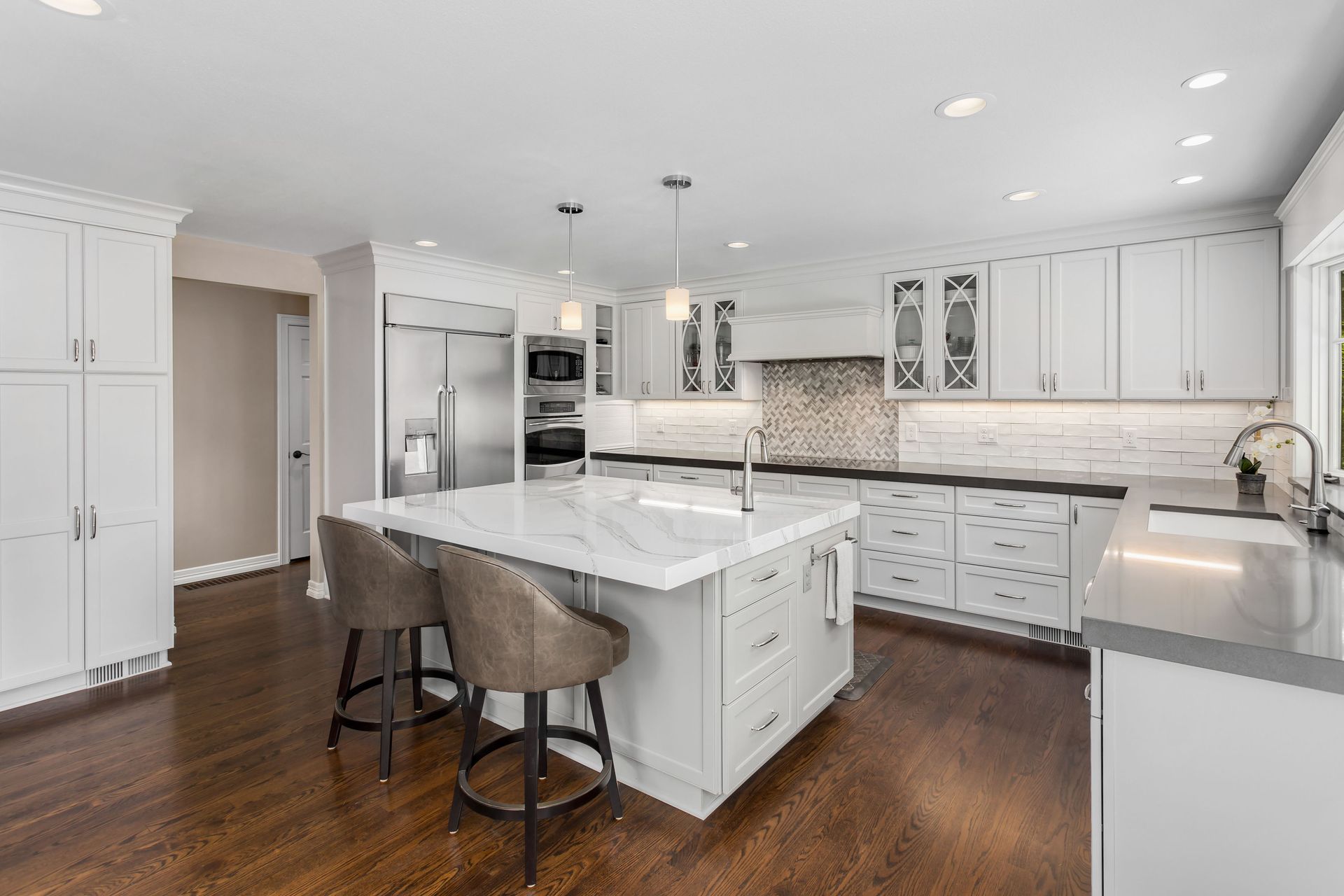
Each countertop material can support a variety of interior design styles, but some options naturally complement certain aesthetics. Porcelain often works well in modern, industrial, and contemporary spaces because of its clean and adaptable appearance. Quartz can complement transitional, contemporary, and traditional designs depending on the selected color and pattern. Natural stone is frequently chosen for spaces that emphasize luxury, warmth, or organic visual elements. A dramatic marble slab may become the centerpiece of a sophisticated kitchen. A textured granite surface can add depth to a more traditional or rustic environment. A porcelain countertop can also be selected in a design that complements surrounding cabinetry, backsplashes, and flooring. Coordinating these elements can create a more balanced space that feels intentional from every angle.
Selecting the Right Material for Your Vision
The ideal countertop material will depend on the homeowner's preferred style, desired texture, and overall vision for the space. Porcelain may appeal to those who want a clean surface with versatile design possibilities. Quartz can be a strong option for homeowners who prefer consistency and a wide selection of colors and patterns. Natural stone may be the right choice for individuals who value unique variation and organic beauty. It can be helpful to view full slabs rather than relying only on small samples when making a final decision. Larger pieces provide a better understanding of how patterns and veining will appear across the finished surface. A porcelain countertop should also be evaluated based on how its color, finish, and pattern work with the surrounding room. Taking time to explore available options can lead to a choice that enhances the space for years to come.
Porcelain, quartz, and natural stone each bring something different to a kitchen, bathroom, or other interior space. From the controlled patterns of engineered materials to the natural variation of quarried stone, every option offers its own visual personality. Texture, finish, lighting, and color should all be considered when selecting a surface that supports the overall design. A porcelain countertop can provide a modern and versatile option for homeowners who want a distinctive appearance that complements their vision.
Ready to explore beautiful surface options for your next project? Contact Boca Stone Design today to find the right porcelain countertop and other premium materials for your home.