October 14, 2026
Selecting the ideal surface material for a residential kitchen project involves carefully balancing visual elegance, daily functionality, long-term maintenance, and practical financial investment. Kitchens serve as the vibrant focal point of modern living, where families gather, meals are prepared, and daily routines unfold, making the choice of work surfaces an important structural decision. Granite and engineered stone options consistently lead the luxury marketplace as top choices, offering distinct functional benefits depending on a homeowner's culinary habits, aesthetic tastes, and lifestyle requirements.
Beyond immediate surface appeal, several critical performance attributes must be thoroughly analyzed before selecting a final material for fabrication and installation. Factors such as physical hardness, scratch resistance, thermal behavior, stain defense, edge profiling, and routine maintenance routines play vital roles in determining how well a material fulfills the demands of an active household. By examining the mineral composition, structural integrity, and long-term endurance of each surface option, homeowners can proceed with absolute confidence, ensuring their investment aligns perfectly with their personal design aspirations while delivering reliable daily utility for decades to come.
Examining Material Composition and Visual Appeal
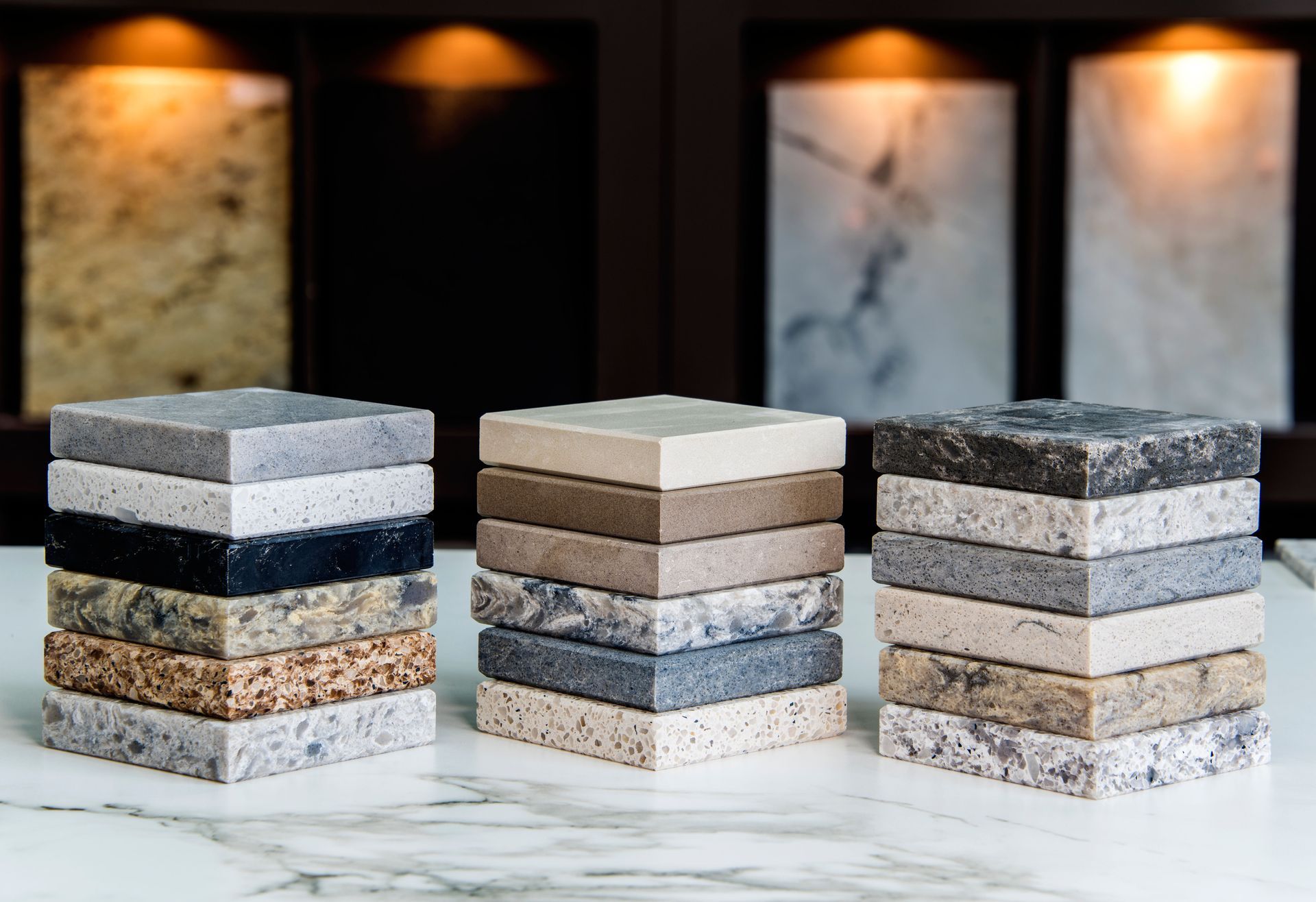
Granite slabs are quarried directly from deep within the earth across subterranean geological deposits, yielding distinct mineral patterns, rich flecks, and organic color variations that ensure no two pieces are ever identical. The intricate veining, crystalline structures, and natural color spectrum found in natural stone are the result of millions of years of intense subterranean heat and pressure. Conversely, engineered options combine finely crushed natural minerals with specialized polymer binders and color pigments to fabricate uniform slabs with predictable design patterns throughout the entire material. Choosing engineered countertops allows home designers and building renovators to achieve a sleek, streamlined aesthetic that coordinates effortlessly with modern cabinetry, custom millwork, and contemporary architectural fixtures.
While natural quarried stone brings an unpredictable organic elegance and authentic timelessness to a room, manufactured slabs provide design predictability, color uniformity, and an expansive spectrum of customizable hues. Surface finishing techniques further expand the aesthetic options for both materials, ranging from traditional high-gloss polished coats that reflect ambient room lighting to soft, tactile honed finishes that lend a quiet matte character to the room. Deciding between the organic individuality of earth-mined stone and the controlled consistency of manufactured slabs ultimately depends on your stylistic priorities, desired ambiance, and personal preference for structural symmetry or natural variation.
Assessing Physical Hardness and Scratch Resistance
In a busy residential environment, culinary work surfaces encounter constant contact with sharp cutlery, heavy cast iron cookware, hot appliances, and continuous meal preparation routines. Granite ranks among the hardest natural minerals on earth, providing exceptional resistance against surface abrasions, deep gouges, and heavy physical wear across decades of intense daily household activity. Engineered options also demonstrate remarkable scratch resistance due to their exceptionally dense concentration of ground quartz minerals, making them equally capable of withstanding demanding cooking routines and high-traffic kitchen usage without exhibiting premature surface wear or dullness over time.
To preserve the glossy finish, smooth surface texture, and long-term structural integrity of high-end countertops, incorporating dedicated cutting boards into daily meal preparation routines remains the best practice. Taking this straightforward precautionary step prevents subtle micro-abrasions that could gradually dull the protective surface sheen over extended periods, regardless of whether you select natural stone or engineered materials. Both surface options offer extraordinary structural resilience, ensuring that heavy daily utility and busy family gatherings will not compromise the pristine, refined appearance of your primary kitchen workspace.
Evaluating Thermal Resilience and Heat Safety
Managing thermal behavior is a fundamental consideration for any functional cooking area where hot cookware, boiling kettles, and warm baking sheets are regularly moved across work surfaces. Granite possesses high natural thermal stability due to its ancient formation under extreme subterranean temperatures, allowing home cooks to briefly place warm pots or pans directly near the cooktop without triggering immediate surface damage. Quartz countertops, while also durable, are susceptible to heat damage due to the resins used in their manufacturing process. Although quartz can resist temperatures of up to 400 degrees Fahrenheit, according to This Old House, excessive heat exposure can lead to discoloration or cracking. Using trivets or pads is highly recommended when dealing with hot items to ensure the longevity of quartz surfaces.
Because artificial resin binders and polymer adhesives react poorly to sudden, concentrated temperature spikes, utilizing protective trivets or hot pads is critical when operating electric skillets, slow cookers, roasting pans, or heavy bakeware fresh from the oven. Granite offers greater natural tolerance when exposed to elevated ambient temperatures, although severe thermal shock can still occasionally induce subtle stress fractures within untreated natural stone slabs. Establishing consistent heat-protection habits safeguards the pristine finish, uniform coloring, and structural soundness of whichever surface material you select for your home remodeling project.
Comparing Stain Resistance and Maintenance Needs
Porosity dictates how effectively a material defends against common household spills like red wine, dark coffee, citrus juices, soy sauce, and cooking oils. Granite features a naturally porous mineral matrix containing microscopic fissures, meaning it relies on periodic applications of high-grade protective sealants to prevent deep liquid absorption and permanent surface staining. Installing non-porous resin countertops provides a distinct practical advantage in this area, as the engineered manufacturing process creates an impenetrable surface that naturally repels liquids without ever requiring routine sealant applications or complex chemical reconditioning treatments.
For busy households seeking low-maintenance living and quick cleanup routines, non-porous surfaces significantly simplify daily kitchen maintenance and sanitary upkeep. A quick wipe using warm water, mild dish soap, and a soft microfiber cloth is typically all that is required to maintain a hygienic, stain-free workspace after preparing complex meals. While natural stone demands a commitment to regular sealing schedules to maintain its protective barrier, both materials reward simple, consistent care habits with lasting visual brilliance, excellent hygienic performance, and dependable daily functionality.
Understanding Overall Longevity and Investment Value
Investing in high-grade kitchen surface materials adds enduring functional utility, personal comfort, aesthetic satisfaction, and tangible monetary value to any residential property. Granite has long been celebrated for its permanent structural endurance, frequently outlasting the home itself when maintained with basic care, non-abrasive cleaning products, and periodic sealants. Contemporary engineered quartz options match this impressive long-term performance, providing consistent strength, structural stability, and vibrant visual appeal through decades of family gatherings, holiday hosting, daily meal prep, and ordinary household wear.
From an economic perspective, both choices generally occupy similar price tiers regarding initial material acquisition, custom fabrication, and professional installation services. Deciding between the two options ultimately rests on whether a homeowner prioritizes the unique natural artistry and thermal forgiveness of earth-mined stone or the low-maintenance, uniform predictability of manufactured countertops. Whichever path you choose, both surface materials represent high-yield home improvements that substantially elevate the overall architectural appeal, functional comfort, and resale equity of your living space.
Deciding on the Perfect Kitchen Surface
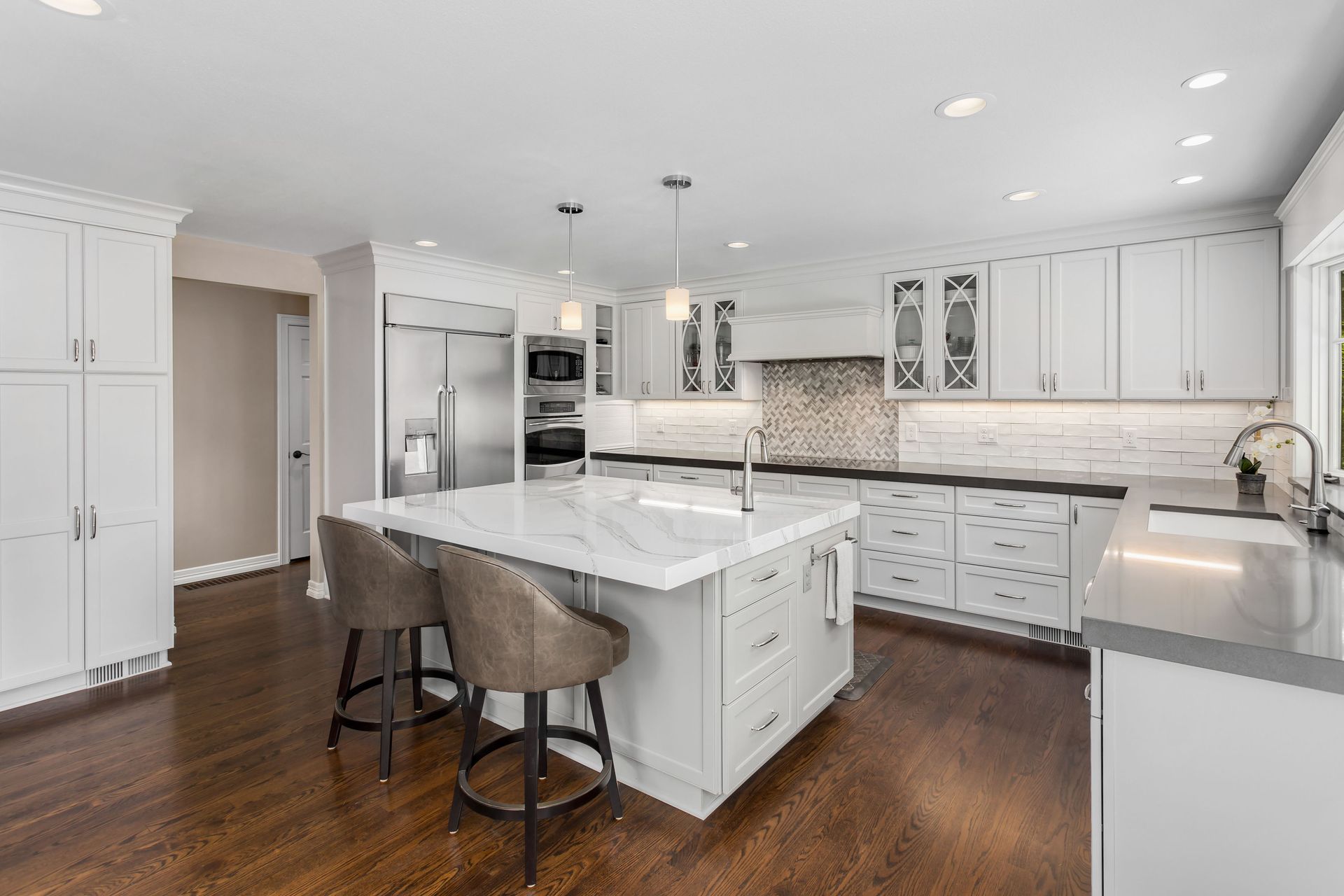
Selecting between natural stone and engineered materials ultimately depends on your unique stylistic goals, upkeep expectations, culinary habits, and long-term design priorities. Granite provides authentic, one-of-a-kind organic beauty paired with high natural heat tolerance, making it an ideal choice for classic, rustic, or traditional culinary spaces that celebrate natural materials. Meanwhile, engineered slabs deliver unmatched stain defense, simple low-maintenance daily care, and consistent modern color palettes perfect for active contemporary households and busy modern families.
When you are ready to elevate your kitchen with top-tier surface materials and flawless fabrication, rely on the skilled design specialists and experienced installers at Boca Stone Design. Contact us today to explore our vast inventory of luxury
countertops, discuss your upcoming renovation plans with our team, and schedule a comprehensive design consultation for your home.