November 13, 2026
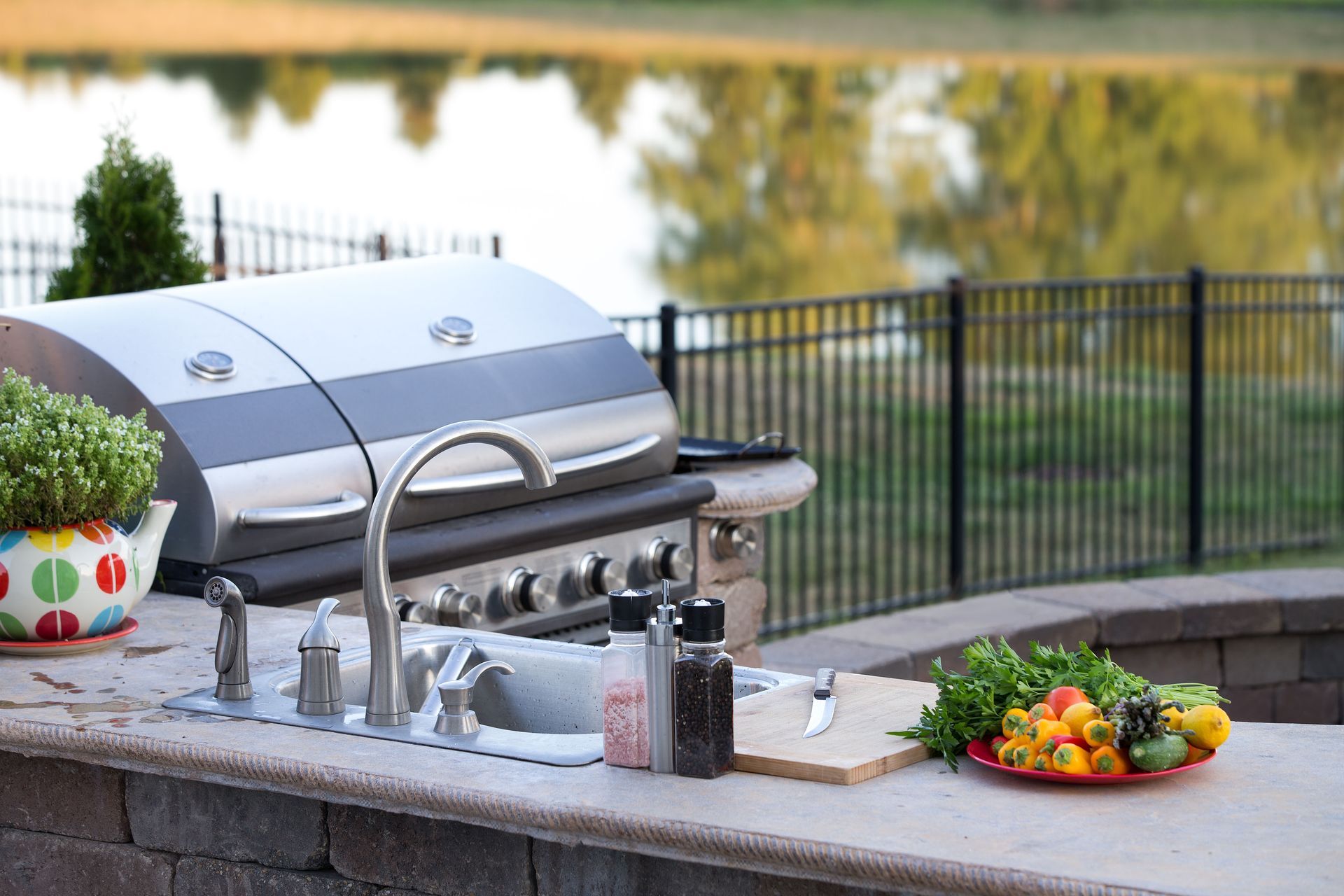
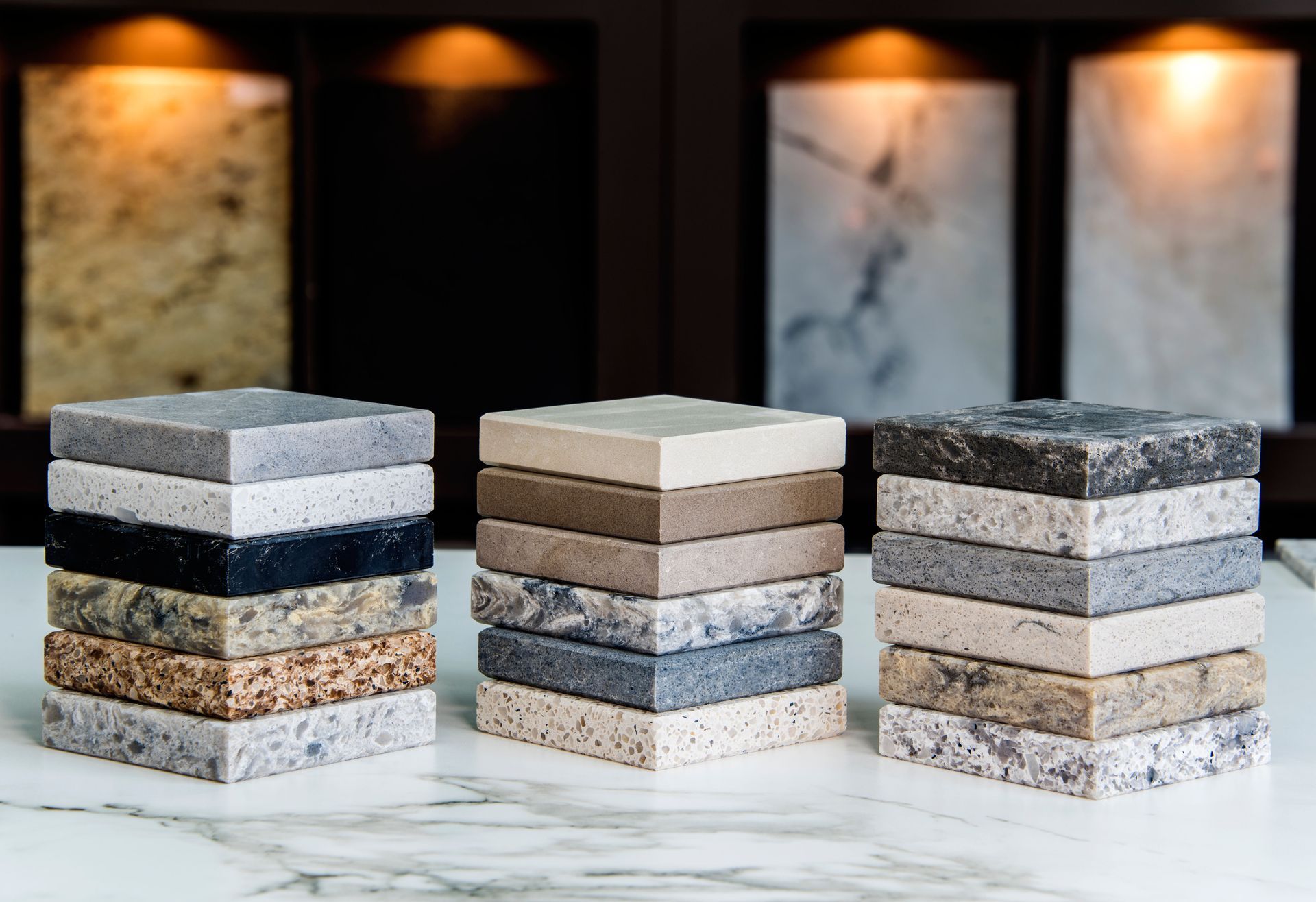
Planning an outdoor cooking space requires homeowners to evaluate materials that can endure varying climates while remaining visually appealing over many seasons. Natural stone surfaces frequently emerge as the superior choice for high-traffic food preparation zones due to their raw organic beauty, substantial weight, and innate structural integrity. Choosing the best slab involves analyzing regional weather trends, regular culinary habits, personal aesthetic preferences, and necessary maintenance protocols. A well-selected countertop will transform an ordinary backyard into a functional culinary retreat that withstands summer heat, sudden downpours, and seasonal freezing periods.
The decision also sets the structural tone for surrounding features such as outdoor cabinets, integrated grills, bar seating, and sink stations. Because open-air cooking environments face harsher variables than indoor rooms, selecting the right slab is a critical early step. Materials that seem resilient indoors might fade under direct sunlight, absorb grease from open grills, or crack under rapid temperature shifts. By taking the time to understand the physical makeup of various stone options and aligning them with certified trade expertise, property owners can ensure their alfresco living areas remain practical and attractive for decades.
Assessing Climate Challenges and Material Durability
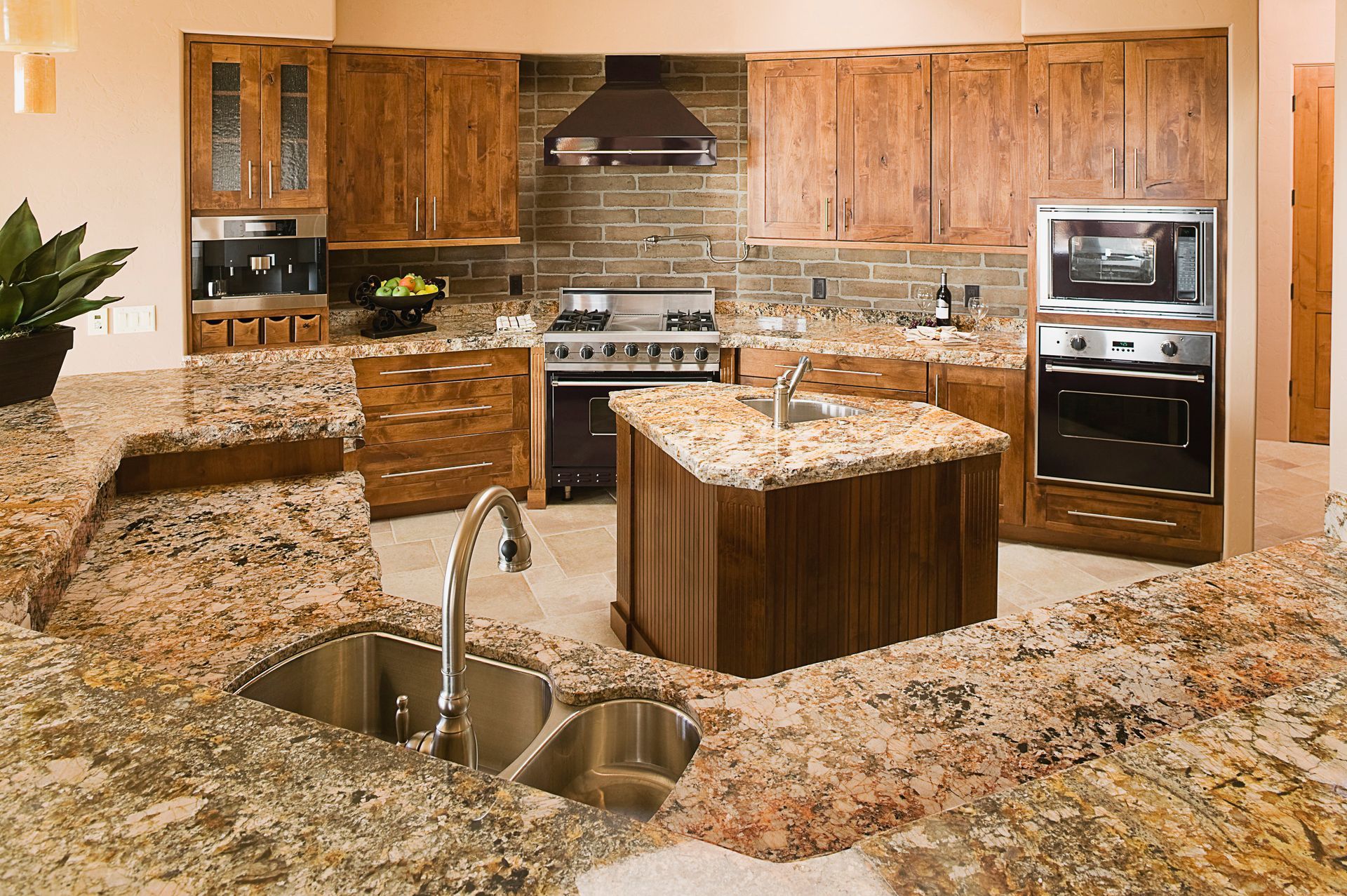
Selecting outdoor materials begins with a thorough evaluation of the surrounding environment, as natural elements can rapidly degrade unsuitable slabs. Extreme temperature fluctuations pose a substantial risk to dense materials through the continuous process of freeze-thaw cycles. During colder months, moisture enters microscopic pores within the stone, expands as it freezes, and causes internal stress that leads to fractures. To combat this issue, homeowners frequently select granite, which features an igneous composition characterized by densely interlocking mineral crystals. This geological profile prevents heavy moisture absorption while granting substantial resistance against abrasive tools, scraping pots, and accidental impacts during large outdoor gatherings.
Regions with sustained sun exposure present completely different maintenance concerns that demand careful consideration of mineral structures. Intense ultraviolet radiation easily degrades surface sealers, causes artificial pigments to yellow, and bleaches softer materials over time. Natural quartzite performs exceptionally well under these conditions because its metamorphic composition tolerates direct solar exposure without color degradation. On the other hand, quartzite, though similarly priced to granite, occasionally offers even greater resistance to wear and tear. According to This Old House, manufacturers often provide warranties for materials like quartz, with terms ranging from 10 to 15 years to a lifetime, illustrating a commitment to the product's longevity and value. Ensuring the countertop slab possesses the right mineral composition preserves its original color and prevents thermal shock over extensive periods of summer heat.
Integrating Natural Aesthetics With Functional Demands
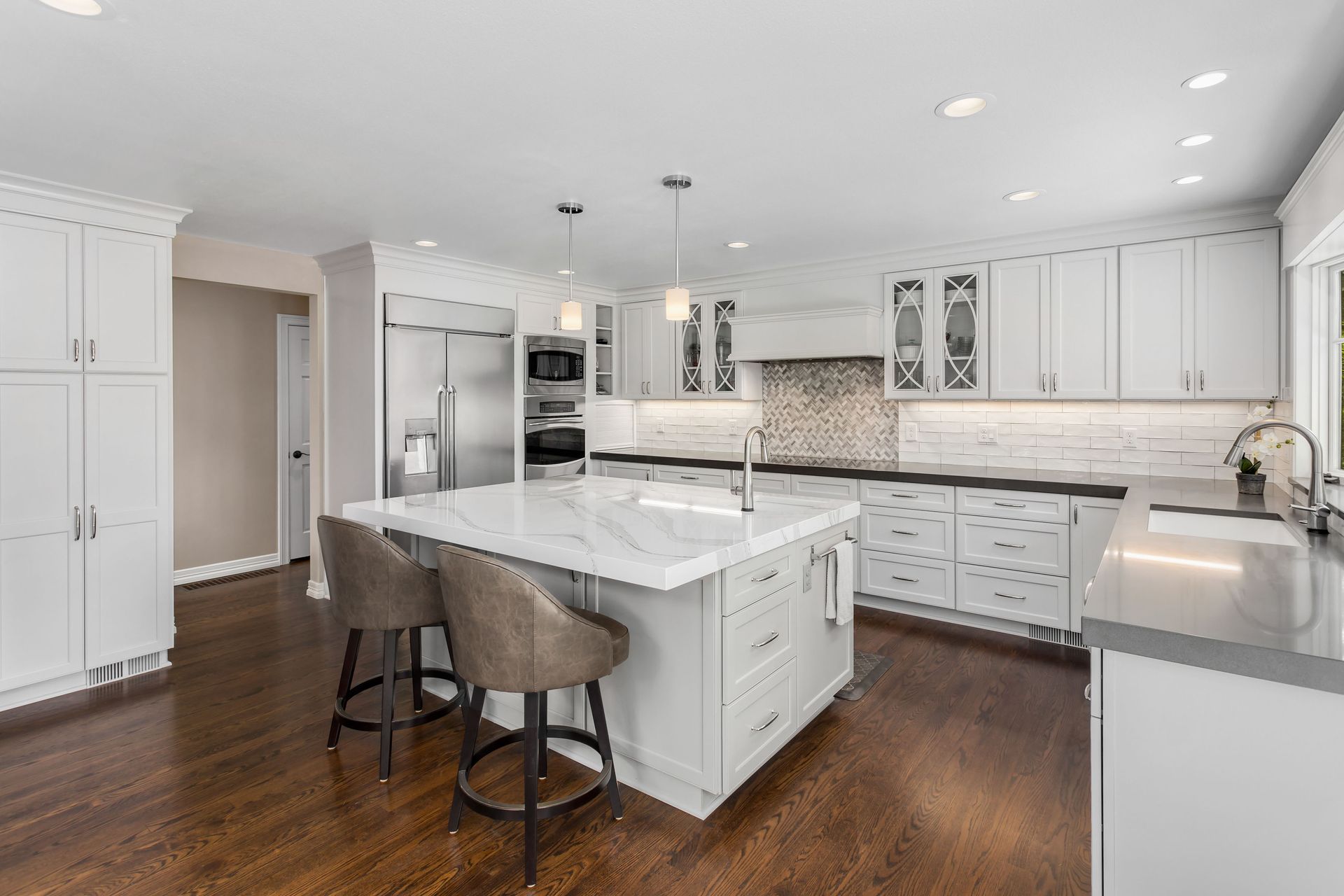
An alfresco cooking zone should complement surrounding architectural features, landscaping textures, and home exterior palettes without compromising overall performance. Homeowners who prefer traditional elegance often admire the distinctive veining and soft tones of marble, which creates an undeniably sophisticated ambiance. However, marble is composed of calcium carbonate, making it sensitive to acidic substances like citrus juices, wine, barbecue sauces, and vinegar dressings. When these liquids make contact with the stone, chemical etching occurs and dulls polished finishes. Homeowners who choose marble for exterior entertainment spaces typically install it in covered patios away from heavy prep stations or opt for honed finishes that mask minor surface changes.
For homeowners seeking earthy, rustic atmospheres, darker materials like soapstone provide a soft matte aesthetic that pairs naturally with wooden pergolas, stone pavers, and iron fixtures. Soapstone contains high quantities of talc, creating a smooth tactile surface that deepens in color through natural oxidation over time. Soapstone is chemically inert, meaning spills from acidic marinades or cleaning solutions will not cause surface etching. Its density prevents liquid absorption, making it an excellent partner for active grill-side prep areas. Balancing visual preferences with functional usage patterns guarantees the selected countertop enhances outdoor hosting while keeping everyday meal cleanup straightforward.
Budgeting for Initial Investments and Long-Term Value
Financial planning for an exterior living space requires looking past upfront purchase prices to calculate lifetime value and structural demands. High-density natural stones require professional handling, specialized cutting machinery, and reinforced base cabinetry designed to support heavy dead loads. Granite generally presents an economical balance between upfront raw material expenditure and prolonged structural service life. Its widespread availability keeps procurement expenses manageable while its enduring strength reduces future repair requirements. Conversely, rarer stones with intricate veining patterns demand higher procurement budgets and delicate handling fees during transport and placement.
Long-term value also encompasses how an upgraded outdoor living suite influences market value and buyer interest. High-quality natural stone surfaces indicate superior construction standards and improve property marketability during resale evaluations. Less durable materials might require complete replacement after several harsh winters, whereas properly installed stone continues performing indefinitely. Investing in superior stone slabs supported by certified installation crews minimizes unexpected structural failures. Weighing upfront installation estimates against expected lifespan guarantees that your outdoor countertop choice represents a sound fiscal investment for your estate.
Managing Maintenance Protocols and Surface Protection
Preserving exterior stone requires establishing routine cleaning schedules and understanding how chemical sealers interact with different mineral grains. Routine cleaning should only involve pH-neutral soaps, warm water, and microfiber cloths, as harsh household cleaners can break down applied coatings. Porous varieties like granite and limestone demand periodic applications of breathable penetrating impregnators. These specialized formulas seep below the stone's upper layers to create a hydrophobic barrier against grease, wine, and food particles. Homeowners can test their sealer integrity by sprinkling drops of water across the slab; if the moisture beads up, the barrier remains effective.
Neglecting regular maintenance protocols exposes natural stone to costly aesthetic blemishes and moisture retention. In northern zones, applying a fresh protective sealant in late autumn shields porous surfaces against winter ice expansion. For non-porous stones like soapstone, sealers are unnecessary, though certified stone technicians may recommend occasional mineral oil applications to ensure even darkening. Because outdoor surfaces constantly collect pollen, dust, and grill soot, establishing a consistent maintenance routine prevents debris from settling into micro-abrasions. Proper maintenance safeguards the countertop, ensuring the stone remains hygienic, stain-free, and ready for seasonal dining.
Partnering With Certified Installation Professionals
Installing heavy stone slabs in outdoor environments requires specialized masonry techniques, precise structural engineering, and experienced trade crews. Outdoor foundations are prone to ground settling, freeze-thaw soil movement, and temperature shifts that do not affect climate-controlled homes. Certified stone fabricators possess the digital measurement tools necessary to calculate proper overhangs, seam placements, and structural weight distribution across custom outdoor islands. They ensure that all underlying cabinetry, concrete masonry units, and steel frames are perfectly level, which prevents uneven point loads that could cause heavy slabs to crack.
Professional fabricators also understand the engineering tolerances required for outdoor appliances, sink cutouts, and under-counter heating elements. Improper cuts around drop-in grills can create focal points for thermal cracking if expansion gaps are not calculated accurately. Experienced crews seal open joints using specialized exterior-grade adhesives that flex slightly under changing temperatures while preventing water penetration. Engaging qualified trade contractors protects your financial investment and ensures the installation adheres to local building codes. Skilled installation gives homeowners confidence that their countertop will stay secure, level, and structurally intact through all weather conditions.
Finalizing Your Dream Outdoor Culinary Space
Creating an outdoor kitchen combines culinary passion with enduring architectural design to enrich backyard entertainment for family and friends. By evaluating durability factors, climate variables, aesthetic compatibility, and maintenance needs, you can select a stone slab that complements your daily lifestyle. High-performing natural materials withstand seasonal temperature shifts, resist food preparation stains, and maintain their refined visual appeal over years of heavy use. Investing in quality stone surfaces supported by proper base construction ensures your exterior entertaining space remains an attractive centerpiece of your home.
When you are ready to turn your outdoor living goals into reality, rely on experienced industry professionals to guide your selection and installation process. Quality materials deserve meticulous fabrication and expert placement to maximize structural longevity and daily functionality. Take the first step toward enhancing your backyard culinary space by contacting the experienced design and installation specialists at Boca Stone Design today to explore their extensive
countertop collections and schedule your comprehensive consultation.